Recovery rarely succeeds on willpower alone. What turns a fragile early sobriety into a durable, confident one is a set of coping skills that you practice until they feel second nature. In an alcohol rehab setting, those skills are taught deliberately, reinforced across the day, and tailored to your life. Port St. Lucie offers a mix of residential and outpatient options, from quiet, clinical programs to centers with a more coastal, restorative feel. Whichever route you choose, the work tends to revolve around a handful of core abilities: managing cravings, regulating stress and mood, repairing relationships, and building a structure that supports change. The specifics matter. Vague advice like “avoid triggers” doesn’t help when you face a work happy hour or a family conflict that never seems to end. Good treatment narrows the focus and gives you tools you can actually use.
What “coping skills” really means in rehab
The term gets tossed around a lot. In practice, coping skills are observable behaviors and mental routines that reduce the risk of relapse while improving your quality of life. That might look like a five-minute urge-surfing exercise while you wait in line at the grocery store, a prepared script for declining a drink without awkwardness, or a weekly plan that balances therapy, work, movement, and sleep. In a strong program, you practice these skills again and again, in groups and one-on-one, until they are familiar enough to pull out under pressure.
In Port St. Lucie, an addiction treatment center typically blends medical care, counseling, peer support, and case management. The mix varies by level of care. A residential alcohol rehab in Port St. Lucie, FL offers a contained environment, more practice reps each day, and fewer distractions. An intensive outpatient program offers similar content with more freedom to test skills in your normal routine. The coping curriculum overlaps across settings, but the pace and intensity change.
Detox and stabilization set the stage, not the standard
Many people still feel foggy or irritable in the first week, especially if withdrawal was complicated or sleep is off. Medical teams monitor vitals, adjust medications when needed, and make hydration, nutrition, and rest a priority. It is tempting to judge your progress during this stretch, but the best time to assess coping skills comes after your brain and body have Behavioral Health Centers addiction treatment center a chance to settle. Staff in drug rehab Port St. Lucie settings will often introduce simple, low-friction practices early, like paced breathing and sleep hygiene, and save heavier cognitive work for when you can concentrate.
A practical detail that surprises people: hydration and protein intake can change how intense cravings feel. You do not treat alcohol use disorder with smoothies, but a nutrient-dense breakfast and regular fluids can lower baseline irritability and make it easier to learn. Good programs treat this as part of coping, not an afterthought.
Craving management that actually works under pressure
Cravings are not constant. They act like waves that peak and fall within minutes. Many clients arrive knowing this intellectually but still feel overrun in the moment. Therapy translates that knowledge into action. Cognitive behavioral therapy introduces urge-surfing, a brief sequence where you name the urge, notice where it shows up in your body, breathe through the peak, and commit to waiting it out. The crucial part is repetition. In an addiction treatment center, you rehearse with a therapist, then try it during triggering conversations or after stressful calls. If a technique doesn’t click, you adjust it, not the goal.
For some, distraction works better than direct exposure. A short, planned activity that fills 10 to 20 minutes can carry you past a craving spike: a shower, a brisk walk, a call to a sober peer, a hands-on task like folding laundry. In Port St. Lucie, several facilities incorporate outdoor movement because the local environment invites it. Evening humidity and early sunrise create natural anchors for routine, and those anchors help when cravings hit at predictable times.
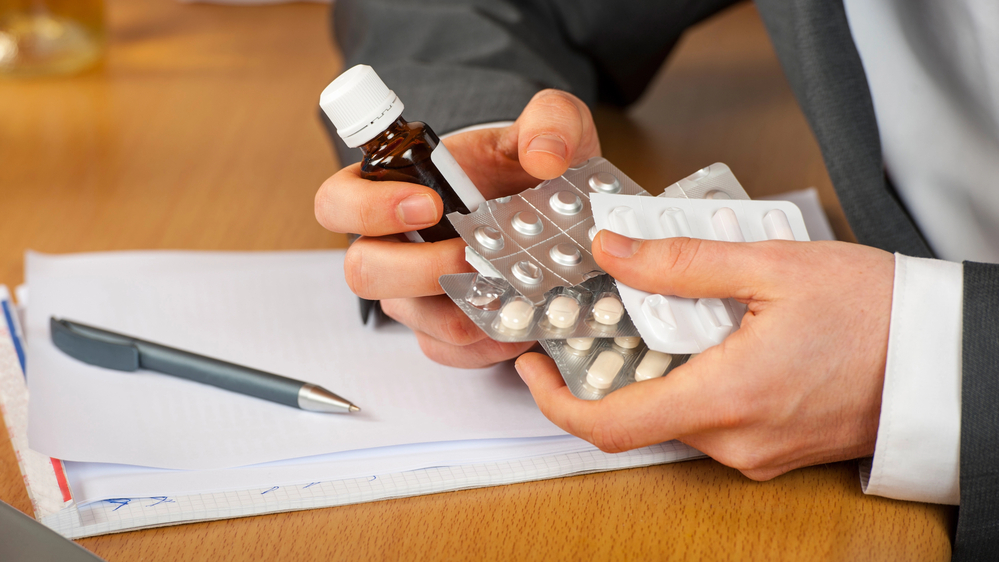
Medication-assisted treatment for alcohol use disorder deserves plain talk. Naltrexone, acamprosate, and disulfiram each have a role. Naltrexone blunts the rewarding hit if you were to drink, which can reduce the intensity and frequency of cravings. Acamprosate supports brain stability after long use and can quiet the jumpiness that fuels urges. Disulfiram is an accountability tool for a narrower group. Medication is not a replacement for coping skills, but it can make them easier to use consistently. Ask your provider whether any of these fit your profile and goals.
Stress regulation you can do on a Tuesday afternoon
Stress is the most common relapse driver. Programs in alcohol rehab Port St. Lucie, FL settings teach a mix of fast-acting tools and routines that shift your baseline over weeks.
Fast-acting tools are compact. Box breathing can drop your heart rate in under two minutes. A grounding scan that cycles through senses pulls attention out of ruminations. Short, guided muscle relaxation helps with jaw clenching and shoulder tension that many clients carry without noticing. These are not cure-alls. They create enough space to choose your next move rather than react.
Baseline routines do the heavier lifting. Sleep is the first target because it touches everything else. Rehab staff will help you build a wind-down sequence: lights dimmed an hour before bed, screens parked outside the room, a consistent bedtime and wake time even on weekends, caffeine cutoff midafternoon. Exercise plans are realistic. Twenty minutes of low to moderate movement, five days a week, beats an ambitious schedule that collapses after two sessions. In South Florida heat, morning movement is often easier to maintain. The point is not athletic performance. It is the predictable mood and focus benefit that stacks up.
Mindfulness has moved from buzzword to staple for a reason. You do not need to sit for 45 minutes to benefit. A five-minute daily practice is enough to train attention, and attention is the doorway to choice. If meditation is not your style, some therapists use mindful walking, dishes, or stretching to teach the same skill with less resistance.
Identifying triggers with precision, not labels
“Triggers” is another term that gets dulled by overuse. In treatment, staff push you to move beyond generalities like social events or stress and identify context. Time of day, specific people, certain rooms in your home, cash in pocket, the drive home past your old liquor store, loneliness after your kids go to sleep, resentment after a tough call with your boss. The more specific you are, the more surgical your plan can be.
One client realized the trigger that mattered most was not the bar itself but the empty 45 minutes between gym and dinner. Another found that paydays carried a superstitious permission to “celebrate.” Those details steer the solution. You might shift your route home for a month, adjust gym timing, or leave a prepared meal in the fridge on payday. In a good addiction treatment center, staff will role-play the exact scenes you describe. That rehearsal, awkward as it feels, is where coping skills imprint.
Behavioral skills you practice until you stop thinking about them
Coping includes a set of small, repeatable actions that create a predictable day. The routine often looks unglamorous, which is precisely why it works. Sober mornings, planned meals, scheduled calls, exercise windows, therapy appointments, and a set bedtime add up to fewer decision points. Fewer decision points mean less friction and fewer opportunities to rationalize a detour.
Boundaries are another behavioral skill. Early recovery often involves stepping back from certain people or places. That is not isolation, it is a time-bound safety perimeter while you build strength. In Port St. Lucie, some folks choose outpatient care because it lets them practice boundaries in real time at work and home. Others prefer residential care because it removes the swirl, at least for a few weeks, and lets them install the habits without interruption. Both paths can work if you match them to your needs and risk level.
Communication scripts are underrated. You do not have to improvise every answer. Having a one-sentence response to decline drinks saves mental energy, and repeating the same line makes it easier. Keep it simple and disarming. “I’m not drinking right now, but I’m glad to hang out.” If someone pushes, a second line closes the door. “I’m not changing my mind.” Staff will help you refine your language so it fits your voice.
Cognitive work that changes the story in your head
Most programs use cognitive behavioral therapy and motivational interviewing because they have the best track record. CBT helps you spot the thought patterns that lead to drinking. All-or-nothing thinking, catastrophizing, “I messed up once, so it’s ruined,” or “I can’t handle this discomfort,” are common. You learn to test those thoughts, look for evidence, and craft alternative stories that are both accurate and useful. This is not positive thinking. It is disciplined thinking.
Motivational interviewing respects ambivalence. You might want sobriety and miss drinking at the same time. A skilled therapist does not fight you about that. They help you explore the pros and cons in a way that leads to your own reasons for change. Internal reasons stick. External pressure fades as soon as the pressure lifts.
Some clients benefit from trauma-focused therapies, because alcohol misuse often grew around pain that never had another outlet. The timing matters. Trauma work is best done when you have some stability and tools to self-regulate. Good clinicians sequence it so you are ready, not overwhelmed.
Relationship repair and the skill of repair attempts
Alcohol use disorder frays trust. Repair takes time and specific behaviors: consistent follow-through, direct apologies that do not make excuses, and openness about your plan. Family sessions in rehab are structured to lower the temperature and clarify expectations. You might agree on technology boundaries, finances, childcare schedules, or how to handle an argument without walking out to drink. Therapists teach “repair attempts,” small signals during conflict that you are trying to deescalate. A pause word, a short time-out with a clear return time, and a commitment to listen before responding are simple, powerful tools.
Kids need practical reassurance, not lectures. A predictable routine and short, age-appropriate explanations work better than promises. You keep it concrete. “I won’t be at bedtime on Tuesdays because I’m at group, but I’ll do breakfast Wednesday.” That kind of clarity does more to rebuild trust than big speeches.
Community and accountability in Port St. Lucie
Port St. Lucie has a steady recovery community. You will find AA meetings at multiple times of day, including early mornings that fit service and trade schedules. SMART Recovery groups offer a cognitive, skills-based approach for those who prefer a secular, structured format. Some faith communities host recovery nights. A quality drug rehab in Port St. Lucie will lay out these options and often take you to a few before discharge. Sampling matters because meeting culture varies, and the right fit raises the odds that you keep showing up.
Sober social options make weekends less tricky. Coastal walks, fishing piers, and intracoastal parks offer built-in alternatives to bar-centered plans. This sounds simple, but planning a Saturday with two non-alcohol anchors can prevent the late-afternoon drift that trips people up.
Planning for the ambush moments
Not every relapse follows a big stressor. Sometimes it is a good mood, a celebration, or a random cue that sneaks up on you. The skill is not perfection, it is preparation. You build a decision tree for common ambushes: a surprise invite, finding an old bottle while cleaning, a fight that leaves you keyed up. The tree starts with three steps. First, pause the situation, even for 60 seconds. Second, contact someone who knows your plan. Third, change your physical context if needed, step outside, start a drive, or move to a different room. That little sequence creates a wedge between impulse and action.
Another ambush comes after a slip. Shame pushes people to hide, which makes the next drink more likely. A better move is to treat a slip like a data point. What led up to it, what worked, what failed, and how do you adjust the plan. Many programs teach a short “post-incident review” so you can respond quickly without spiraling.
Here is a concise checklist that clients in Port St. Lucie often carry on their phones for the first 90 days:
- Hydrate, eat, and move before noon, even if mood is off. Keep two contacts you can text “craving” without explanation. Decide by 3 p.m. how you will spend the evening. If you feel a spike, do two minutes of breathing and change rooms. If you slip, tell one person within 12 hours and schedule a session.
Work, routines, and returning to responsibility
Returning to work adds structure and stress at the same time. An addiction treatment center in Port St. Lucie, FL will often help with staged returns, partial days, or light duty if your employer allows it. You rehearse how to communicate your schedule needs without oversharing. HR paperwork for leave or accommodation, if relevant, is handled before discharge so you are not improvising on your first day back.
For those in trades or shift work, sleep becomes the central variable. Counselors can help you design a consistent routine around rotating shifts, with blackout curtains, white noise, and meal timing that stabilizes energy. If you travel for work, you develop an airport and hotel plan in advance: room location away from the bar area, stocked snacks, and a call booked for the lonely evening hour.
Co-occurring conditions and tailored skill sets
Many people arrive with anxiety, depression, ADHD, or chronic pain. If those conditions go untreated, relapse risk rises. Integrated care addresses them alongside alcohol use. Anxiety might be managed with therapy and, when appropriate, non-sedating medications so you are not swapping one dependence for another. Depression treatment often includes behavioral activation, because motion precedes motivation more reliably than motivation precedes motion. ADHD management can include coaching on time-blocking and external prompts, since unstructured time is a known trigger. Chronic pain plans might combine physical therapy, non-opioid meds, and movement strategies that you can sustain in the Florida climate. The theme stays consistent: skills over quick fixes, with medical support where it helps.
Discharge planning is the real beginning
The most effective programs treat discharge as a transition, not an endpoint. A written recovery plan should include your therapy schedule, support group picks with days and times, medication refills with clear instructions, and a crisis plan with phone numbers. Transportation and child care are not minor details, they are the bridge between good intentions and follow-through. You confirm them before you leave.
Case managers in Port St. Lucie often tap into local resources: primary care providers who understand addiction treatment, dentists who can address neglected care, and vocational programs. When life logistics improve, recovery stabilizes, because chaos is a trigger.
When rehab should be alcohol-specific, and when it should be broader
If alcohol is the only substance involved, a program with deep experience in alcohol rehab gives you sharper protocols for withdrawal management, medication options, and relapse patterns. If you have a history with multiple substances, a drug rehab Port St. Lucie program that treats polysubstance use may fit better. The difference shows up in group topics, medication policies, and the types of scenarios you practice. Ask direct questions about the population the center serves and the outcomes they track. A transparent addiction treatment center will answer without spin.
What progress looks like in the real world
Early wins are simple: fewer drinking days, shorter cravings, better sleep, more mornings you are glad to wake up. Mid-stage progress shows up in social confidence and flexibility. You navigate a family event without white-knuckling. You handle a conflict at work without reaching for a drink after. Later, you can tolerate a wider range of emotion and still stick to your routines. The arc is not linear. Expect plateaus and occasional backward steps. The skill is to keep showing up, apply what you learned, and adjust with help rather than going silent.

A note about time frames helps set expectations. Brain chemistry and stress systems take weeks to months to recalibrate. Many people notice a clear mental lift around weeks three to four, another at eight to twelve, and a bigger shift near six months if they remain engaged. Those are averages, not guarantees, but they mirror what clinicians in Port St. Lucie see on the ground.
How to choose the right fit in Port St. Lucie
Look at clinical depth first. Do they offer evidence-based therapies, medication management, and licensed staff with experience in alcohol use disorder. Then, consider environment and logistics. Is the location convenient enough that you will actually attend. Does the program time mesh with your family and work obligations. Ask how they handle relapse during treatment, because the answer reveals their philosophy. You want a center that treats relapse as information and maintains boundaries without shaming.
Insurance and cost matter. Reputable programs have staff who will verify benefits quickly and explain out-of-pocket costs in plain language. If you are paying privately, get a detailed list of what is included. Cheaper is not always better, but expensive does not equal effective. Match features to needs, not marketing gloss.
The skills you leave with
When you finish a round of care, you should be able to do five things with confidence. You can read your own warning signs before a craving blindsides you. You have two or three concrete techniques that lower stress in minutes. Your days have a structure that protects you during known weak spots. Your relationships have a plan for repair and for conflict. And you can describe why sobriety matters to you in terms that feel personal and specific. Those are the habits and stories that carry recovery beyond a program’s walls.
If you or someone you care about is scanning options for an addiction treatment center Port St. Lucie, FL, look for a place that teaches these skills with clarity and patience, and that keeps you practicing until the techniques stick. The right alcohol rehab builds more than abstinence. It builds a way to live that makes abstinence the natural choice most days, and a plan for the days when it is not.
Behavioral Health Centers 1405 Goldtree Dr, Port St. Lucie, FL 34952 (772) 732-6629 7PM4+V2 Port St. Lucie, Florida